Unraveling the House in The Drama
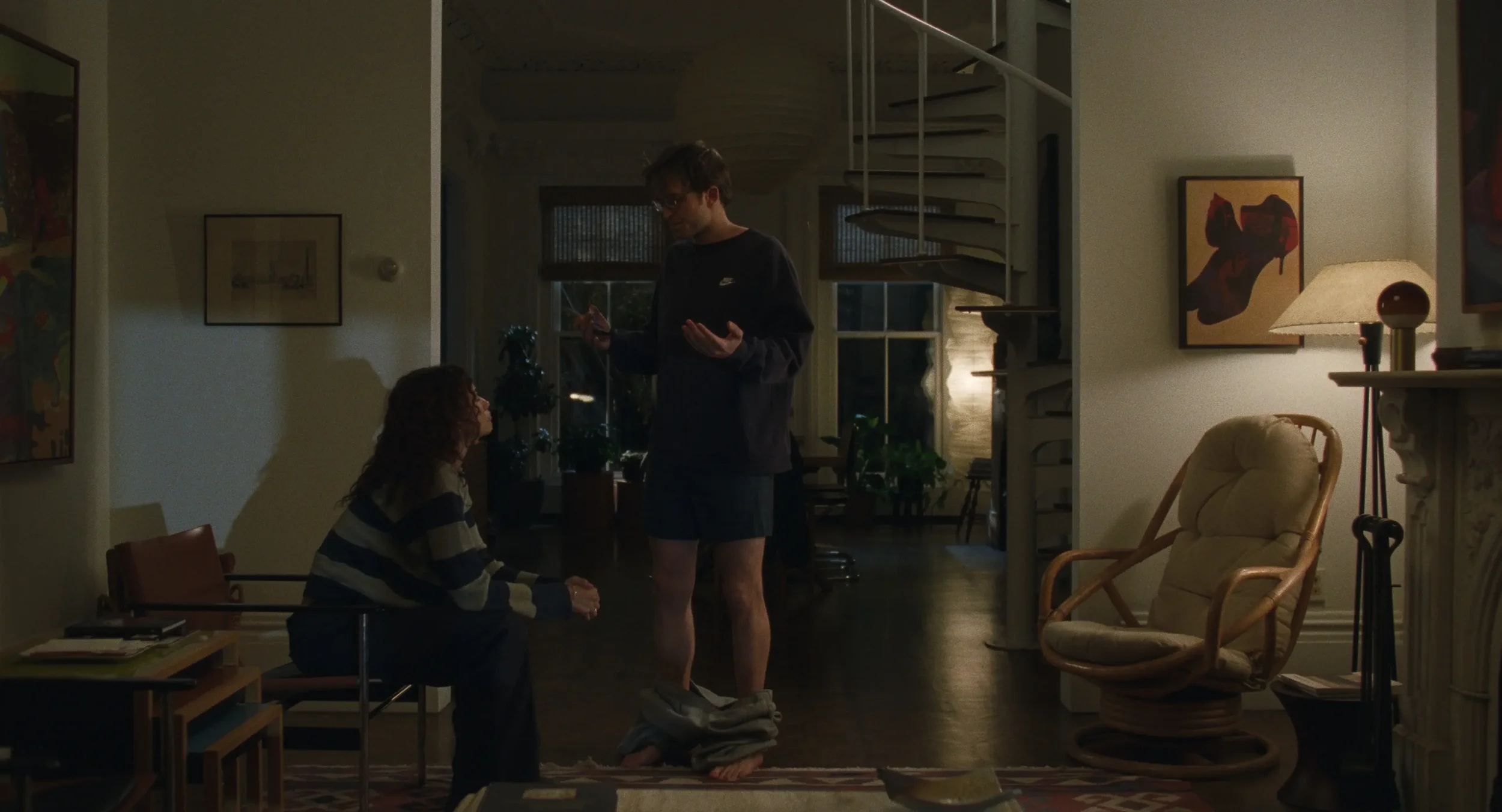
Courtesy to A24.
The Drama (2026) may have stirred diverse debates for the shocking twist and intense conflict between the protagonists, Charlie (Robert Pattinson) and Emma (Zendaya), but what we can’t stop thinking about is the dream house where all the drama is staged. Join us as we unravel the house bit by bit, and why it matters to us.
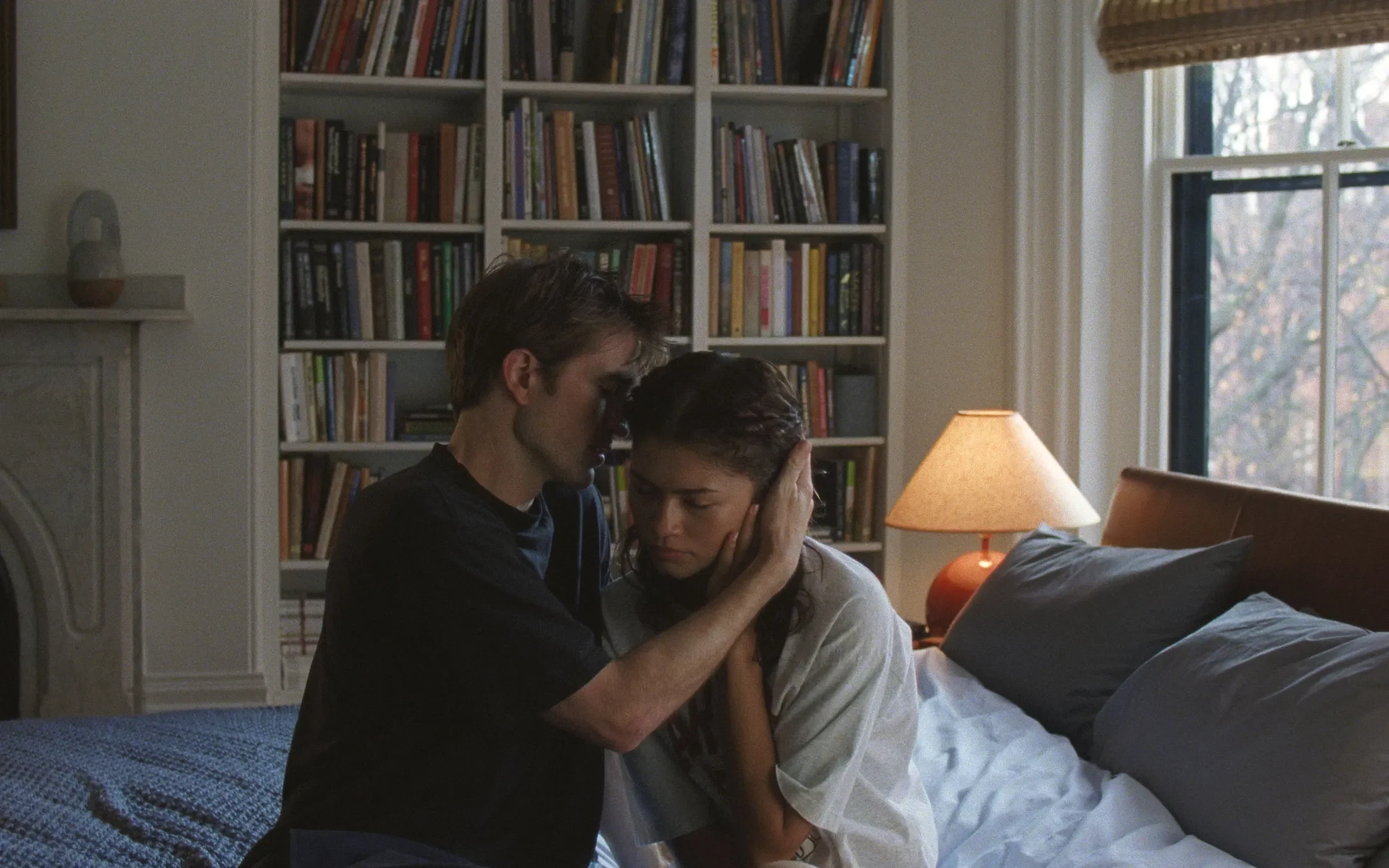
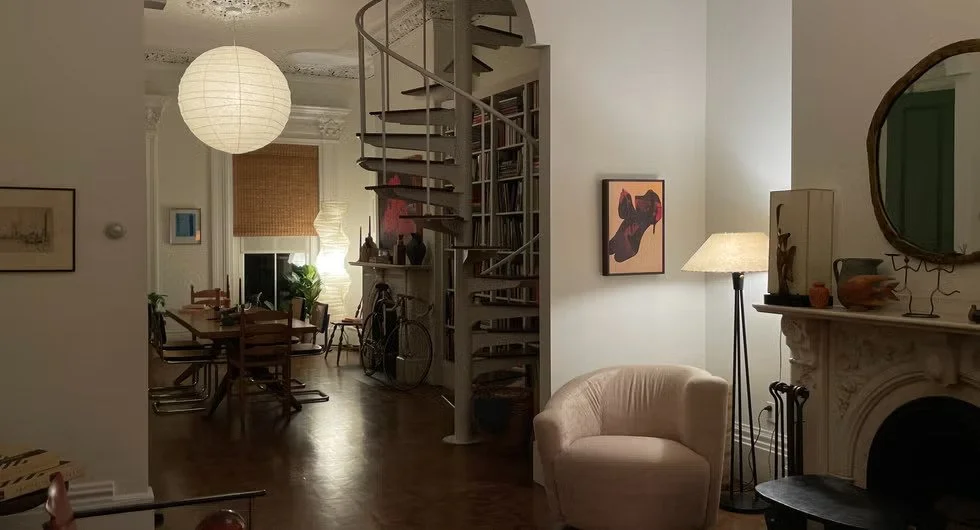
Set in a late Victorian rowhouse in Boston, the space is absolutely a dream for its spiral staircase, high ceilings, and generous natural light from its huge windows. What truly captivates us is the set’s honest portrayal of a young couple’s real home. It is decorative in its own sense, but perfectly coexists with its functionality.
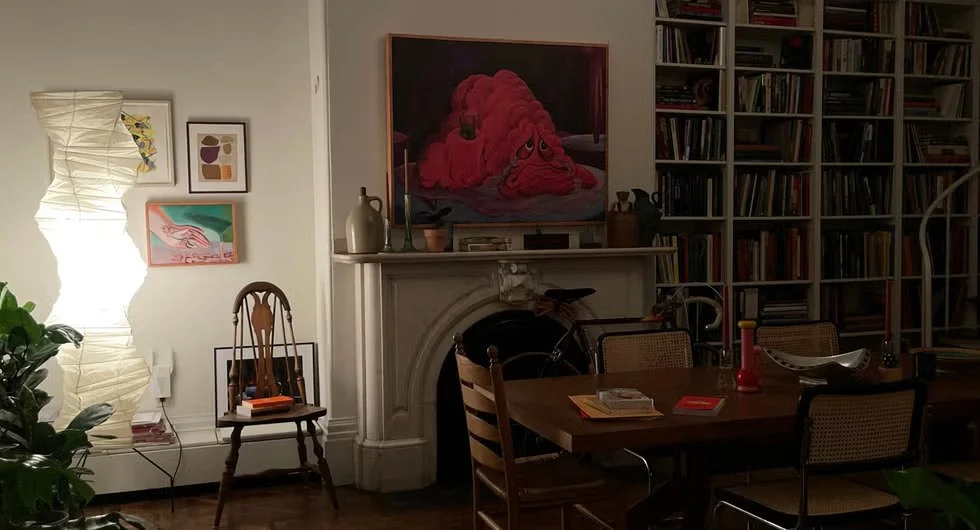
The apartment naturally reflects the protagonists’ professions as a museum curator and a literary editor respectively. that their personalities and interests are seen in every corner: curated paintings in different rooms, a massive bookshelf in the bedroom, and books scattered across almost every surface. The space exists in a constant state of organised mess. It is exactly what gives the audience the feeling that the people actually live there, that they put this home together themselves, piece by piece. It is quiet, reflecting their professions, but profoundly lived-in.
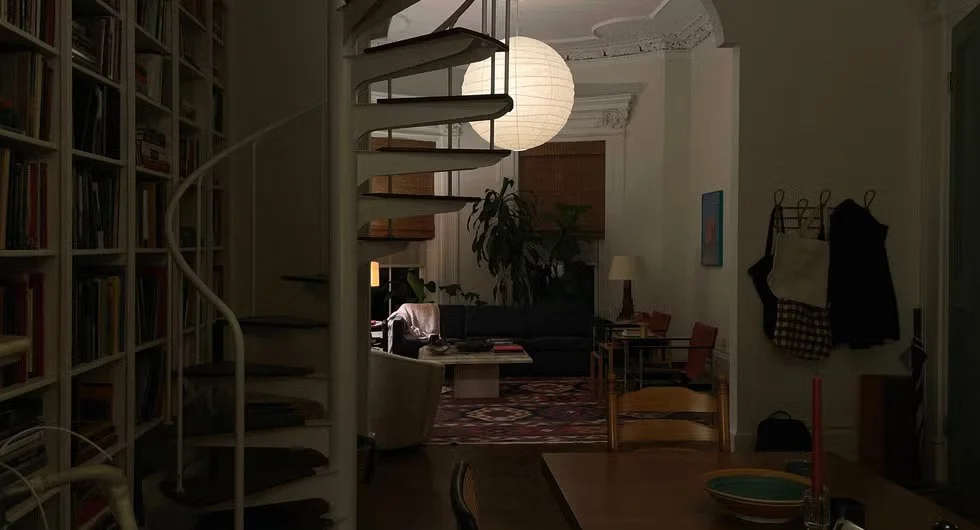
Courtesy to Zosia Mackenzie.
Digging deeper into the styling of the apartment, production designer Zosia Mackenzie had the vision of furnishing the space with mid-century, vintage objects. She and her team rummaged through vintage shops, antique markets, local shops and even Facebook marketplace just to find the right pieces for the characters, the space, and the film.
The sofa where a lot of conversations unfold between the protagonists is a tweed Knoll sofa in a vibrant blue from the 70s. Simple the design may look, it is minimalistic in the most thought through way. The seat and back cushions are tufted in precise grids — Florence Knoll’s iconic clear geometric style, with a sense of modern classiness in its vibrant shade of blue.
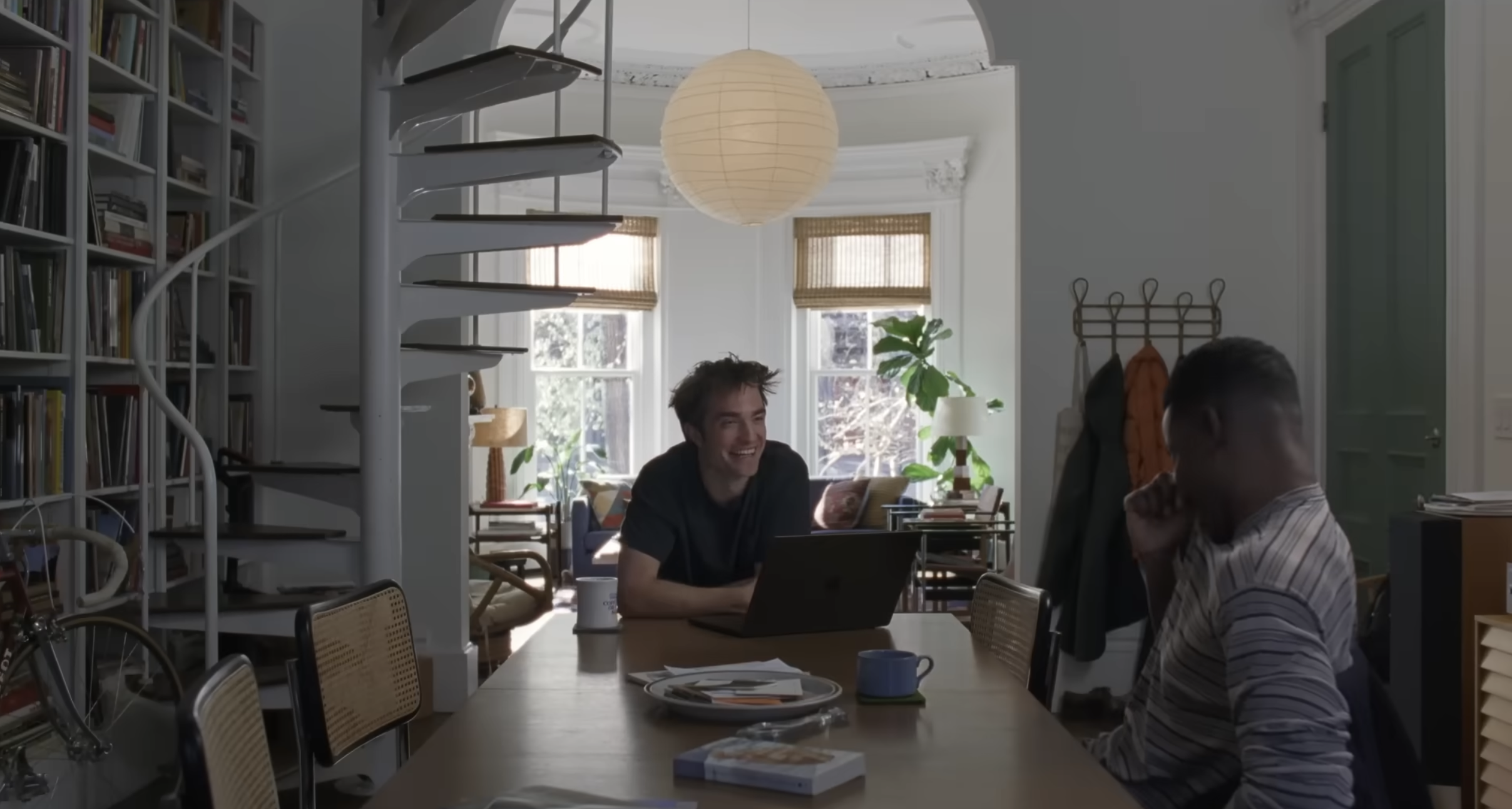
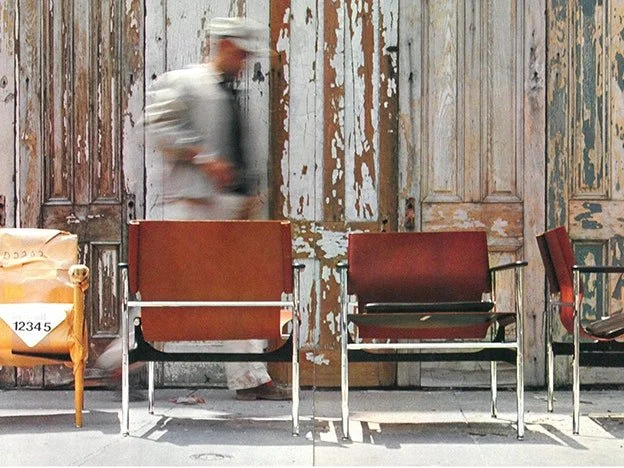
Anchoring the dining space is the wood Cross Extension Dining Table by Matthew Hilton. Simple and practical, the minimalistic base generous leg room. Surrounding the table is a mix-and-match selection of classic chairs. The iconic Cesca Chair from the Bauhaus period, features subtle curves, wicker caning, and seemingly floating structure, which gives the object an overall lightness, both visual and physical. Alongside is the Pollock Arm Chair, also known as the ‘657’, a symbol of modern workplace for its steel structural rim and leather sling seat. This combination of distinct chair styles in the space creates a feeling of organised disorder, mirroring the psychological status of the characters in the film.
Courtesy to A24.
Courtesy to Dwell.
Lighting is especially important at homes, both in terms of functionality and determining the ambiance of the overall space. In films, lighting sets the mood for the film, reflects and visualises the emotions of characters. Perfectly aligned with one of the protagonists, Charlie’s profession as a curator, Akari Light Sculptures by Isamu Noguchi are found all over the apartment, hanging from the ceiling, by the sofa, and there is even one with sketched figures sitting on Charlie’s nightstand. The gentle glow filtering through the handmade washi paper softens the tense atmosphere of the film.
In the living room, a mid-century style Flo’s orange Snoopy table lamp and a Marset dipping lamp specially designed for the film are put against each other. While Charlie has his Akari light, Emma has a Hay Matin Table Lamp in her signature blue palette on her nightstand, a perfect lamp for her nighttime reading, which again corresponds to her job as a literary editor. The mismatched lamps in the space are a deliberate choice, mirroring the underlying conflict and heightening the contrast in personality and value between the protagonists.
Courtesy to A24.
Looking at film and television sets is always captivating. Different it may seem when compared to interior design, there is a blurred line between the two. Just like any set design, every commercial and residential interior project requires us to ‘set the scene’. We place furniture with strict intention, curate lighting to build an ambiance. Each space is shaped to transport people to experience a specific time, place, culture or feeling. Every corner and every angle we created is designed to be just as much of a frame in a film.
I hope this insight gives you a closer look at how interior design can drive meaning and storytelling. Perhaps it will even prompts you to revisit your favourite films and look a little closer at the props. You will surely discover new layers to the story, and maybe spark inspirations for your own space. Subscribe for more exclusive insights!
Courtesy to Zosia Mackenzie.